How to Help Families Facing Cancer – A Guide for Friends and Communities
Understanding the challenges faced by families dealing with cancer Receiving a cancer diagnosis is a life-altering event that not only
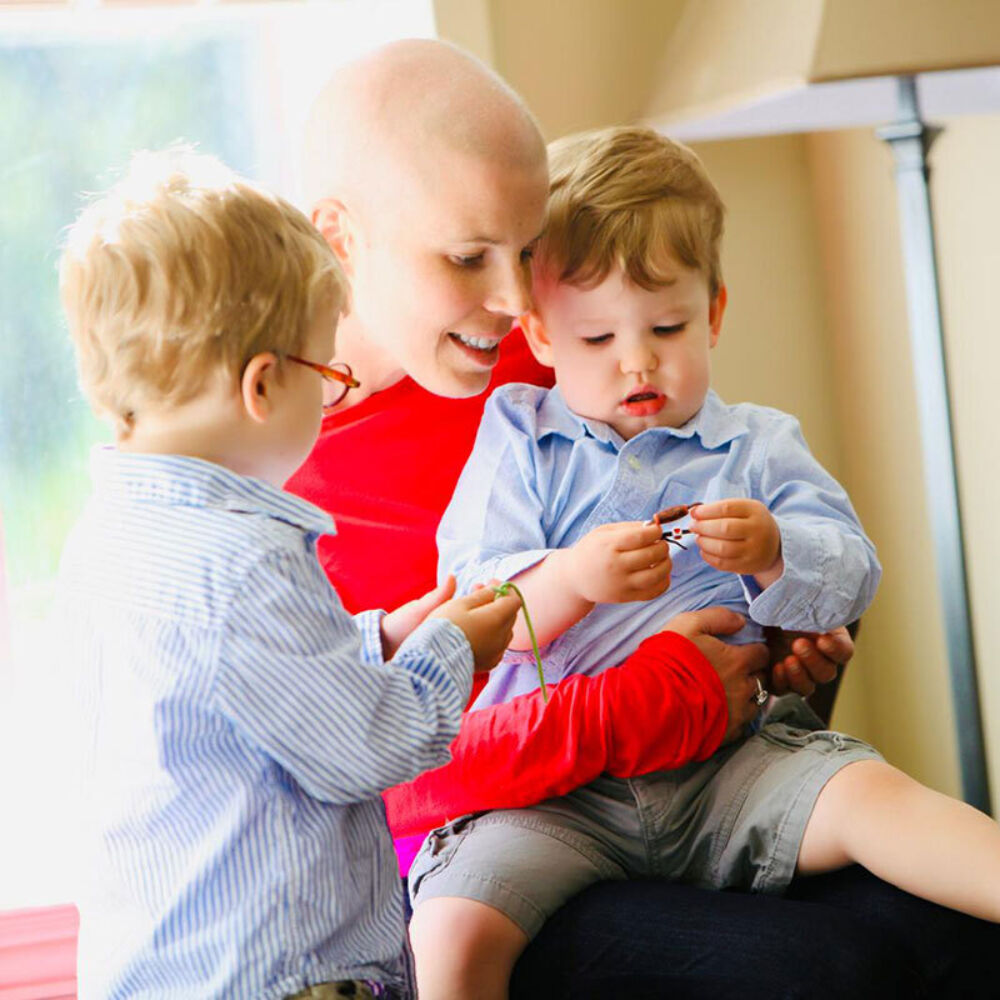
Understanding the Challenges Faced by Families Dealing with Cancer
Receiving a cancer diagnosis is a life-altering event that not only impacts the individual but also their entire family. The emotional, physical, and financial burdens that come with battling this disease can be overwhelming. As friends and community members, it's essential to understand the unique challenges these families face.
Cancer treatment often involves grueling rounds of chemotherapy, radiation, and surgeries, leaving patients exhausted and vulnerable. Caregivers, typically family members, must juggle caring for their loved one while managing household responsibilities, work, and their own emotional well-being. The stress and strain can be immense, leading to burnout and a toll on their mental health.
Financial concerns also weigh heavily on cancer families. Treatment costs, coupled with potential loss of income due to missed work, can quickly become a significant burden. Navigating insurance claims and medical bills can be daunting, adding to the already overwhelming situation.
The Importance of Support from Friends and Communities
In the face of such adversity, the support of friends and communities becomes invaluable. A strong network of caring individuals can make a profound difference in the lives of cancer families, helping them navigate the challenges and providing much-needed respite.
When families are going through such a difficult time, knowing they have a supportive community behind them can be a source of immense strength and comfort. It reminds them that they are not alone in their battle and that there are people willing to lend a helping hand.
Ways to Provide Emotional Support for Cancer Families
- Be present and listen: Sometimes, the most valuable support you can offer is a compassionate ear. Make time to listen to their concerns, fears, and frustrations without judgment. Validate their emotions and let them know you are there for them.
- Offer encouragement and positivity: While acknowledging the gravity of the situation, try to infuse positivity and hope into your interactions. Share inspiring stories, offer words of encouragement, and celebrate small victories along the way.
- Respect their privacy: Cancer is a deeply personal journey, and some families may prefer to keep certain aspects private. Respect their boundaries and avoid prying or sharing information without their consent.
- Connect them with support resources: Provide information on local support groups, counseling services, or online communities where they can connect with others going through similar experiences. These outlets can be invaluable for emotional support and practical advice.
Practical Ways to Help Cancer Families with Daily Tasks
- Meal preparation and delivery: Cooking can be a daunting task for families dealing with cancer. Organize a meal train or deliver home-cooked meals on a regular basis to alleviate this burden.
- Household chores and errands: Offer to help with tasks such as cleaning, laundry, yard work, or running errands. These seemingly small tasks can make a significant difference in reducing stress and allowing families to focus on their loved one's care.
- Transportation assistance: Provide rides to and from medical appointments, treatments, or other necessary errands. This can be especially helpful for families with limited mobility or transportation options.
- Childcare and pet care: Offer to babysit or care for pets during appointments or when caregivers need a break. This can provide much-needed relief and ensure that children and pets are well cared for.
Creating a Support Network for Cancer Families
Building a strong support network is crucial for cancer families. Here's how you can help:
- Coordinate a care calendar: Create an online calendar or app where friends and community members can sign up to provide specific types of assistance, such as meal delivery, transportation, or household chores.
- Establish a communication channel: Set up a dedicated email, group chat, or social media page to keep everyone informed about the family's needs, updates, and upcoming events or fundraisers.
- Assign point persons: Designate trusted individuals to act as primary contacts for the family, coordinating support efforts and ensuring their needs are met.
- Involve the wider community: Reach out to local organizations, religious groups, schools, or workplaces to raise awareness and enlist their support. The more people involved, the stronger the network becomes.
Fundraising Ideas to Support Cancer Families Financially
The financial strain of cancer treatment can be overwhelming. Consider organizing fundraising efforts to help alleviate some of the financial burdens:
- Crowdfunding campaigns: Set up an online crowdfunding page to collect donations from friends, family, and the wider community. Share the campaign widely through social media and personal networks.
- Benefit events: Host a charity event, such as a dinner, concert, or sports tournament, with proceeds going towards the family's medical expenses or a designated cancer organization.
- Merchandise sales: Design and sell t-shirts, wristbands, or other merchandise with a portion of the proceeds benefiting the cancer family or cause.
- Donation drives: Organize a drive to collect non-perishable food items, household supplies, or gift cards for the family to help offset their daily expenses.
Resources and Organizations for Cancer Family Support
There are numerous organizations and resources available to support cancer families. Here are a few to consider:
- American Cancer Society: Offers a wide range of services, including support programs, lodging assistance, and transportation for treatment.
- CancerCare: Provides free counseling, support groups, and financial assistance for cancer patients and their families.
- Cancer Support Community: Offers in-person and online support groups, educational resources, and mind-body programs to help manage the emotional and practical challenges of cancer.
- Local hospitals and cancer centers: Many hospitals and treatment centers have dedicated patient and family support services, including social workers, counselors, and resource coordinators.
How to Organize Community Events to Raise Awareness and Support
Community events can be powerful tools for raising awareness, fostering support, and generating funds for cancer families. Here are some ideas:
- Charity walks or runs: Organize a 5K walk/run event, with participants collecting pledges or donations to support cancer families or organizations.
- Community festivals or fairs: Host a family-friendly event with food, entertainment, and educational booths to raise awareness and funds. Invite local businesses and organizations to participate and sponsor the event.
- Candlelight vigils or memory walks: Plan a solemn gathering to honor and remember those affected by cancer. Encourage participants to share stories and tributes, and invite guest speakers or cancer survivors to share their experiences.
- Educational seminars or workshops: Partner with local healthcare professionals or cancer organizations to host informative sessions on topics such as prevention, early detection, or coping strategies for families.
Inspiring Stories of Communities Coming Together to Help Cancer Families
Throughout this journey, countless examples of communities rallying together to support cancer families in remarkable ways stand out:
- In a small town, neighbors organized a rotating meal delivery schedule, ensuring the family never had to worry about cooking during their loved one's treatment.
- A local church group coordinated a yard cleanup and home repair day, tackling tasks the family couldn't manage due to their caregiving responsibilities.
- Students at a high school organized a car wash and bake sale, raising thousands of dollars to help a classmate's family with medical expenses.
- An entire neighborhood decorated their homes with ribbons and signs of support, creating a visual display of solidarity for a family battling cancer.
These heartwarming stories remind us of the power of compassion and the incredible impact a supportive community can have on those facing adversity.
Conclusion: Making a Difference in the Lives of Cancer Families
Helping families facing cancer is a profound act of kindness and compassion. By understanding their unique challenges and offering practical, emotional, and financial support, we can make a significant difference in their lives during one of the most difficult times imaginable.
Remember, even the smallest gestures can have a profound impact. Whether it's delivering a home-cooked meal, offering a listening ear, or organizing a fundraiser, your actions can provide much-needed relief, hope, and strength to cancer families.
Together, as friends and communities, we have the power to create a supportive network that alleviates burdens, lifts spirits, and reminds these families that they are not alone in their battle against cancer.
If you or someone you know is facing cancer, don't hesitate to reach out to local support organizations or cancer centers for guidance and resources. Together, we can make a meaningful difference in the lives of those affected by this disease.
FAQs
How can I support a cancer family if I live far away?
Even from a distance, you can provide valuable support. Consider sending care packages, setting up an online fundraiser, or organizing virtual events where friends and family can participate and show their support. Regular check-ins via video calls or messages can also make a significant difference.
What should I avoid saying or doing when supporting a cancer family?
Avoid making insensitive comments or offering unsolicited advice. Respect their privacy and boundaries, and let them guide the conversation. Avoid comparisons to other cancer cases, as each journey is unique. Most importantly, don't make promises you can't keep — it's better to under-promise and over-deliver.
How can I support a cancer family without overstepping boundaries?
Communication is key. Ask the family directly about their needs and preferences, and respect their wishes. Offer specific ways you can help, but don't insist if they decline. Be mindful of their energy levels and emotional state, and adjust your support accordingly.
What resources are available for children in cancer families?
Many organizations offer specialized support for children affected by a parent or sibling's cancer diagnosis. These include counseling services, educational resources, and camps or recreational activities designed to help children cope and connect with others in similar situations.
How can I continue supporting a cancer family after treatment ends?
The journey doesn't end with the completion of treatment. Cancer families may face ongoing emotional and financial challenges, as well as the fear of recurrence. Continue to check in, offer practical assistance, and be there to listen and support them through the recovery and adjustment process.