Life Coaching Techniques Confident Coaches in Vancouver, BC Use to Drive Success
Introduction to Life Coaching Techniques In today’s fast-paced world, many individuals struggle with achieving personal growth, overcoming self-limiting beliefs,
Life Coaching Techniques
In today's fast-paced world, many individuals struggle with achieving personal growth, overcoming self-limiting beliefs, and maintaining a healthy work-life balance. Whether it's unclear goals, emotional stress, or difficulty in breaking bad habits, these challenges can feel overwhelming. Life coaches face the unique challenge of guiding clients through these hurdles while delivering consistent results and building strong relationships.
This comprehensive guide offers solutions to both life coaches and individuals by introducing powerful life coaching techniques. For those seeking personal development, methods like SMART goal setting, visualization, and habit formation will provide clear direction and actionable steps toward success. Life coaches will benefit from tools like active listening, empathy building, and accountability structures to ensure their clients achieve lasting change.
Contents
- Core Coaching Foundations
- Techniques for Self-Discovery
- Goal-Setting Mastery
- Overcoming Obstacles
- Enhancing Emotional Intelligence
- Motivational Techniques
- Executive and Workplace Coaching
- Techniques for Managers and Leaders
- Job Coaching
- Tools for Continuous Growth
- Advanced Coaching Techniques
- Group Coaching Techniques
- Integrating Technology in Coaching
- Frequently Asked Questions
Core Coaching Foundations
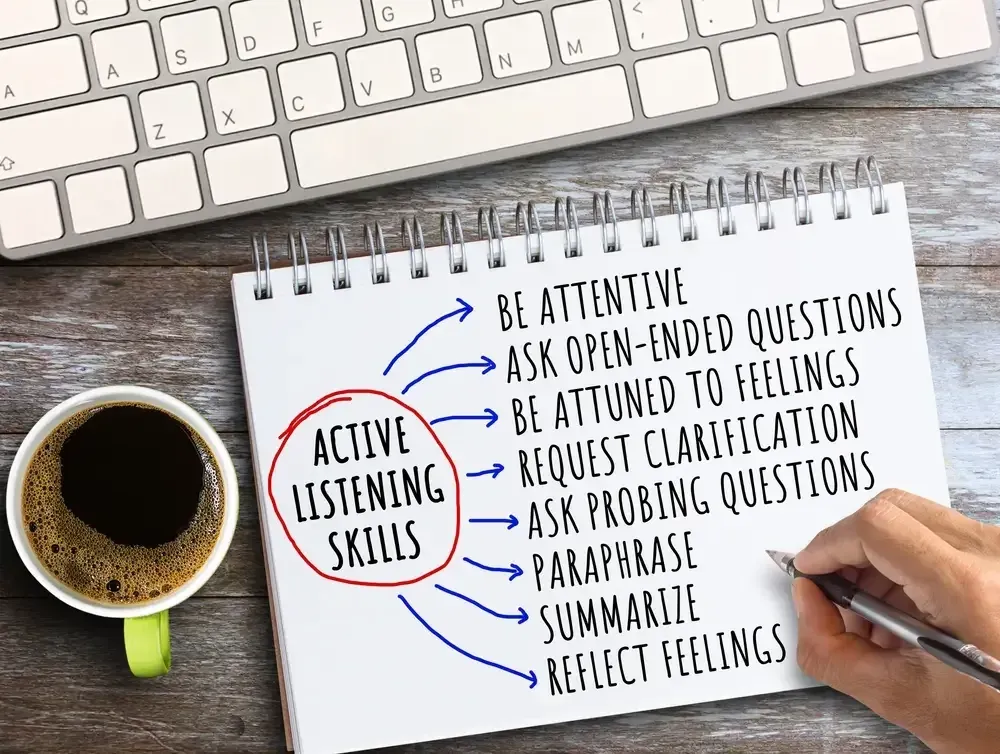
1. Active Listening: Master the Art of Deep Listening
Active listening is more than just hearing words — it's about fully engaging with your client, understanding their emotions, and responding thoughtfully. This technique helps build trust and ensures that the client feels heard and valued.
Key Techniques
- Reflective listening: Paraphrase what the client says to confirm understanding.
- Nonverbal cues: Maintain eye contact, nod, and use body language to show attentiveness.
Example: "It sounds like you're feeling frustrated because your efforts aren't being recognized. Is that right?"
2. Empathy: Techniques for Building Genuine Connections
Empathy allows coaches to connect on a deeper level with their clients. By understanding and sharing the feelings of another, you can create a supportive environment where clients feel safe to explore their challenges and opportunities.
Key Techniques
- Emotional mirroring: Reflect the client's emotions in your responses.
- Empathetic statements: Use phrases like "I can see how that would be difficult for you."
Example: "It's completely natural to feel nervous. Let's work together to turn that nervous energy into confidence."
3. Powerful Questioning: Crafting Transformative Questions
Asking the right questions is a cornerstone of effective coaching. Powerful questions challenge clients to think deeply, explore new perspectives, and find their own solutions.
Key Techniques
- Open-ended questions: "What do you think is holding you back from achieving this goal?"
- Probing questions: "Can you tell me more about why that's important to you?"
Example: "What specific steps can you take this week to move closer to that goal?"
Techniques for Self-Discovery
1. Visualization: Guide Clients to Envision Their Ideal Future
Visualization allows clients to picture their desired outcomes mentally, connecting emotionally with their goals and making them more tangible and achievable.
Steps
- Set the scene — encourage clients to close their eyes and relax.
- Create a detailed picture — ask them to imagine their ideal life in vivid detail.
Example prompt: "Picture yourself five years from now, living your best life. What does your day look like? How do you feel?"
2. SWOT Analysis: Identify Strengths and Weaknesses
A SWOT analysis helps clients explore their internal strengths and weaknesses, along with external opportunities and threats — invaluable for personal growth and decision-making.
Key Components
- Strengths: What are you naturally good at?
- Weaknesses: What areas need improvement?
- Opportunities: What external factors can you leverage?
- Threats: What challenges could hinder your progress?
3. Value Clarification: Prioritize Personal Values
Understanding personal values is crucial for aligning actions with what truly matters. Value clarification exercises help clients identify and prioritize their core values, guiding their decisions and behaviours.
Steps
- Have the client brainstorm values that are important to them.
- Ask them to rank these values in order of significance.
Example: If a client values family above all else, help them develop strategies that honour this value in their daily life.
Goal-Setting Mastery
1. SMART Goals: Set Clear, Achievable Goals
SMART goals ensure that goals are Specific, Measurable, Achievable, Relevant, and Time-bound — helping clients set realistic targets and track their progress effectively.
SMART Criteria
- Specific: Define clear and precise goals.
- Measurable: Establish criteria for tracking progress.
- Achievable: Ensure the goals are realistic.
- Relevant: Align goals with broader life or career objectives.
- Time-bound: Set a deadline for completion.
Example: "I want to increase my client base by 20% within the next six months by networking at industry events."
2. GROW Model: Structured Approach to Goal Achievement
The GROW Model — Goal, Reality, Options, Will — provides a structured step-by-step process for achieving goals.
- Goal: Define what the client wants to achieve.
- Reality: Assess the current situation and obstacles.
- Options: Explore possible strategies and solutions.
- Will: Commit to specific actions.
3. Intentional Goals: Set Goals with Clear Intentions
Intentional goal setting aligns goals with a client's deeper values and long-term vision, ensuring goals are not only achievable but also meaningful and motivating.
Steps
- Reflect on values — identify what truly matters to the client.
- Connect goals to values — ensure each goal reflects those core values.
4. Science of Habits: Work with Habit Formation Principles
Understanding the science of habit formation is crucial for sustaining long-term success. Small, consistent actions help clients develop positive habits that support their goals.
Key Principles
- Cue–Routine–Reward loop: Identify the cues that trigger habits, the routines they follow, and the rewards they provide.
- Start small: Begin with small, manageable habits and build from there.
Example: A client wanting a healthier lifestyle might start with a daily 10-minute walk, gradually building up to a fuller exercise routine.
Overcoming Obstacles
1. Reframing Negative Thoughts: Turn Challenges into Opportunities
Reframing is a cognitive technique that helps clients shift their perspective on challenges. By changing the narrative, clients can transform obstacles into opportunities for growth.
- Identify negative thoughts — encourage clients to recognize self-limiting beliefs.
- Challenge the narrative — ask questions that help clients see the situation differently.
Example: After a job rejection: "What did you learn from this experience that will help you in your next opportunity?"
2. Mindfulness Techniques: Stay Present and Focused
Mindfulness involves being fully present in the moment, without judgment. This practice helps clients manage stress, stay focused, and respond to challenges more effectively.
- Breathing exercises to calm the mind.
- Body scanning to stay grounded and aware of physical sensations.
3. Accountability Structures: Create Systems for Client Follow-Through
Accountability is critical for ensuring clients stay on track. Clear structures and regular check-ins help clients maintain momentum and achieve their objectives.
- Regular check-ins: Schedule consistent sessions to review progress.
- Accountability partners: Pair clients with someone who can provide support.
Enhancing Emotional Intelligence
1. Emotional Regulation: Techniques to Manage Emotions
Emotional regulation involves recognizing and controlling emotional responses, especially during stressful situations — a key skill in maintaining composure and making thoughtful decisions.
- Breathing exercises — deep breathing to calm intense emotions.
- Pause and reflect — take a moment before reacting.
2. Building Resilience: Foster Mental Strength
Resilience is the ability to bounce back from setbacks — developing the mental toughness to persevere through challenges and maintain a positive outlook.
- Positive self-talk — replace negative thoughts with empowering affirmations.
- Problem-solving — break challenges into manageable steps.
3. Empathy Mapping: Deepen Understanding of Client Emotions
Empathy mapping visualizes a client's emotional state — their thoughts, feelings, and motivations — enabling more tailored and effective coaching.
- What clients say: Capture direct quotes or expressions.
- What clients feel: Identify underlying emotions beneath the words.
Motivational Techniques
1. Create the Right Environment: Foster Motivation
The environment plays a critical role in maintaining motivation. A positive, supportive space encourages clients to stay focused and committed to their goals.
- Physical space — a clutter-free, comfortable setting.
- Emotional support — an atmosphere of trust and encouragement.
2. Set Achievable Goals: Ensure Goals Are Reasonable
Goals that are too ambitious lead to frustration, while achievable goals provide a sense of accomplishment. Break large goals into smaller, manageable tasks.
Example: If a client aims to write a book, start with a goal to write 500 words a day instead of focusing on the entire project.
3. Work with Momentum: Sustain Progress and Enthusiasm
Once clients start seeing progress, keep that energy going. Celebrate small wins and build consistent habits that reinforce progress toward long-term success.
Executive and Workplace Coaching
1. Organizational Awareness: Align Coaching with Organizational Goals
In executive and workplace coaching, it's crucial to align coaching strategies with larger organizational objectives, ensuring individual development contributes directly to the company's success.
2. Unconscious Bias Awareness: Address Biases in Leadership
Leaders often operate under unconscious biases that affect their decision-making and team dynamics. Addressing these biases is essential for creating a more inclusive and effective workplace.
- Bias identification — use tools like implicit bias tests to help leaders recognize their unconscious biases.
- Education and training — provide training sessions to increase awareness and minimize bias.
3. Define Leadership Purpose: Help Leaders Find Their Purpose
A clear sense of purpose drives effective leaders. Helping leaders articulate their purpose aligns their efforts with company goals and enhances motivation and impact.
- Self-reflection — encourage leaders to reflect on their core values and long-term vision.
- Purpose statements — assist in crafting a purpose statement that aligns with both personal and organizational goals.
Example: "Empowering others to reach their full potential" — which could translate into mentoring programs within the organization.
Techniques for Managers and Leaders
1. Employee Recognition: Foster Positive Reinforcement
Recognizing employees' efforts is key to maintaining motivation and job satisfaction. Regular and genuine recognition reinforces positive behaviours and fosters a culture of appreciation.
- Personalized recognition — tailor recognition to individual preferences.
- Consistent feedback — provide regular, specific praise for achievements.
2. Build Trust: Establish Genuine Relationships
Trust is the foundation of effective leadership. Genuine relationships with team members foster a collaborative and open work environment.
- Open communication — encourage transparency and active listening.
- Empathy and support — show genuine concern for team members' well-being.
3. Create Clear Objectives: Set and Communicate Clear Goals
Clear objectives are essential for guiding team efforts and ensuring everyone is aligned with the organization's goals. Use SMART criteria and provide regular progress updates.
Job Coaching
1. Skills Assessment: Use Profiling Tools for Better Understanding
Skills assessment helps clients identify their strengths, weaknesses, and areas for development. Psychometric tests and career aptitude assessments provide valuable insights for creating personalized growth plans.
2. "Perfect Day" Exercise: Visualize Ideal Work Scenarios
This visualization tool helps clients clarify their career aspirations by imagining their ideal workday in detail, fostering self-awareness and guiding goal setting.
- Ask the client to describe, in detail, what a perfect workday looks like.
- Look for recurring themes or desires that can inform career goals.
Example: A client describing a day filled with creative tasks and flexible hours is indicating a preference for a creative or freelance career path.
3. Role-Playing: Practice Real-World Scenarios
Role-playing prepares clients for interviews, negotiations, or difficult conversations. It builds confidence and hones communication skills through realistic, low-stakes practice.
- Simulate real scenarios — create realistic job-related scenarios for the client to navigate.
- Provide constructive feedback — offer specific feedback after each session to improve performance.
Tools for Continuous Growth
1. Journaling Practices: Reflect and Learn
Journaling helps clients process their thoughts, track progress, and learn from their experiences. Regular journaling fosters self-awareness and encourages continuous personal development.
- Daily reflection — write about daily experiences and emotions.
- Goal tracking — monitor progress toward goals.
2. Feedback Loops: Encourage Continuous Improvement
Feedback loops involve regularly reviewing progress and adjusting strategies based on outcomes — an iterative process that helps clients continuously improve.
- Scheduled reviews — set regular intervals for feedback sessions.
- Constructive criticism — offer specific, actionable feedback that guides improvement.
3. Progress Tracking: Visualize and Celebrate Growth
Tracking progress is essential for maintaining motivation. By visualizing how far they've come, clients stay motivated to continue their journey.
- Progress charts — visual tools like graphs or charts to track milestones.
- Celebration of milestones — recognize and celebrate significant achievements.
Advanced Coaching Techniques
1. Cognitive Behavioral Coaching: Change Thought Patterns
Cognitive Behavioral Coaching (CBC) integrates principles of cognitive behavioural therapy to help clients identify and change negative thought patterns. Particularly effective for overcoming limiting beliefs and fostering positive behavioural changes.
- Identify negative thoughts — recognize and articulate self-defeating thoughts.
- Challenge and reframe — replace these thoughts with positive, empowering alternatives.
Example: A client who struggles with procrastination might discover underlying beliefs about failure, which can be reframed to motivate action.
2. Neuro-Linguistic Programming (NLP): Reframe Mental Models
NLP is a powerful tool for understanding and altering the mental models that influence behaviour. By changing how clients perceive their experiences, coaches help them develop more constructive patterns of thinking.
- Anchoring: Create positive associations with specific thoughts or actions.
- Reframing: Shift the context or meaning of a situation to alter its emotional impact.
Example: A client might learn to reframe nervousness before a presentation as excitement, boosting confidence and performance.
3. Transformational Coaching: Guide Profound Personal Change
Transformational coaching goes beyond surface-level changes, facilitating deep, lasting personal growth. It focuses on helping clients align with their core values and purpose, leading to significant shifts in mindset and life direction.
- Deep self-exploration — guide clients in exploring their values, beliefs, and identity.
- Visioning exercises — help clients envision their ideal future and the steps needed to achieve it.
Group Coaching Techniques
1. Create Shared Expectations: Align Group Goals
Establishing shared expectations at the outset is essential for aligning the group's goals and ensuring everyone is on the same page — fostering a collaborative environment and maintaining focus.
- Group agreement — develop a consensus on objectives, roles, and responsibilities.
- Clarify outcomes — ensure all members understand and agree on the desired results.
2. Peer Coaching: Foster Accountability Within Groups
Peer coaching involves group members supporting each other through shared insights, feedback, and accountability — enhancing learning and fostering a supportive community.
- Paired sessions — assign members in pairs to coach each other.
- Feedback mechanisms — encourage regular, constructive feedback among peers.
3. Utilize Social Networks: Leverage Online Communities
Incorporating social networks into group coaching extends learning and support beyond sessions. Online communities provide a space for continuous interaction, resource sharing, and mutual encouragement.
- Create online groups — use platforms like Slack or Facebook to keep the conversation going.
- Encourage participation — foster active engagement by sharing resources, insights, and challenges.
Integrating Technology in Coaching
1. Digital Tools and Apps: Enhance Coaching Sessions
Technology offers a range of digital tools and apps that significantly enhance coaching sessions — facilitating communication, tracking progress, and providing resources clients can access anytime, anywhere.
- Project management apps (Trello, Asana) for tracking tasks and goals.
- Communication platforms (Zoom, Skype) for seamless virtual interaction.
- Goal-tracking apps like Habitica to gamify progress.
2. Virtual Coaching: Techniques for Effective Online Sessions
Virtual coaching allows for flexibility and accessibility, reaching clients across the globe. It requires specific techniques to ensure sessions are as impactful as in-person meetings.
- Set clear expectations — ensure clients are comfortable with the technology and understand how sessions will proceed.
- Engage with visuals — use screen sharing, whiteboards, and interactive tools to maintain engagement.
Best practice: Start each session with a quick tech check and a brief agenda review to keep virtual meetings focused and productive.
3. AI in Coaching: Leverage AI for Personalized Coaching
Artificial Intelligence is transforming coaching by providing personalized insights and automating routine tasks. AI can analyze client data to offer tailored recommendations, allowing coaches to focus on high-impact activities.
- Personalized assessments — AI chatbots can conduct preliminary assessments to identify client needs.
- Data-driven insights — analyze patterns in client behaviour and suggest customized strategies.
Frequently Asked Questions
What is life coaching?
Life coaching is a process that helps individuals achieve their personal and professional goals by providing guidance, support, and actionable strategies. It focuses on the future and aims to empower clients to unlock their full potential.
How can life coaching techniques benefit me?
Life coaching techniques are designed to help you gain clarity, overcome obstacles, set and achieve goals, and enhance your overall well-being — whether you're seeking personal growth, career advancement, or improved relationships.
What are SMART goals, and why are they important?
SMART goals are Specific, Measurable, Achievable, Relevant, and Time-bound. This framework ensures that your goals are clear and attainable, helping you stay focused and motivated.
How does cognitive behavioural coaching work?
Cognitive Behavioral Coaching helps you identify and change negative thought patterns that may be holding you back. By reframing these thoughts, you can develop more positive behaviours and achieve your goals more effectively.
How can technology enhance my coaching experience?
Technology provides tools for tracking progress, facilitating virtual sessions, and offering personalized insights through AI — making coaching more accessible, efficient, and tailored to your needs.
What should I expect from a life coaching session?
A life coaching session typically involves discussing your goals, challenges, and progress. Your coach will guide you through techniques and strategies tailored to your needs, helping you take actionable steps toward your objectives.
How do I choose the right life coach for me?
Consider their experience, coaching style, and areas of expertise. It's important to find someone you feel comfortable with and who aligns with your goals and values.
Can life coaching help with career transitions?
Yes. Techniques like skills assessment, goal setting, and role-playing are particularly effective for navigating job changes, improving performance, and achieving career satisfaction.
How often should I have life coaching sessions?
Typically, sessions are held weekly or bi-weekly, but this can be adjusted based on your progress and preferences.
What is the cost of life coaching?
The cost of life coaching varies depending on the coach's experience, location, and session length. It's important to discuss fees upfront and consider the value of the investment in your personal and professional growth.