Virtual Counselling for Anxiety Support
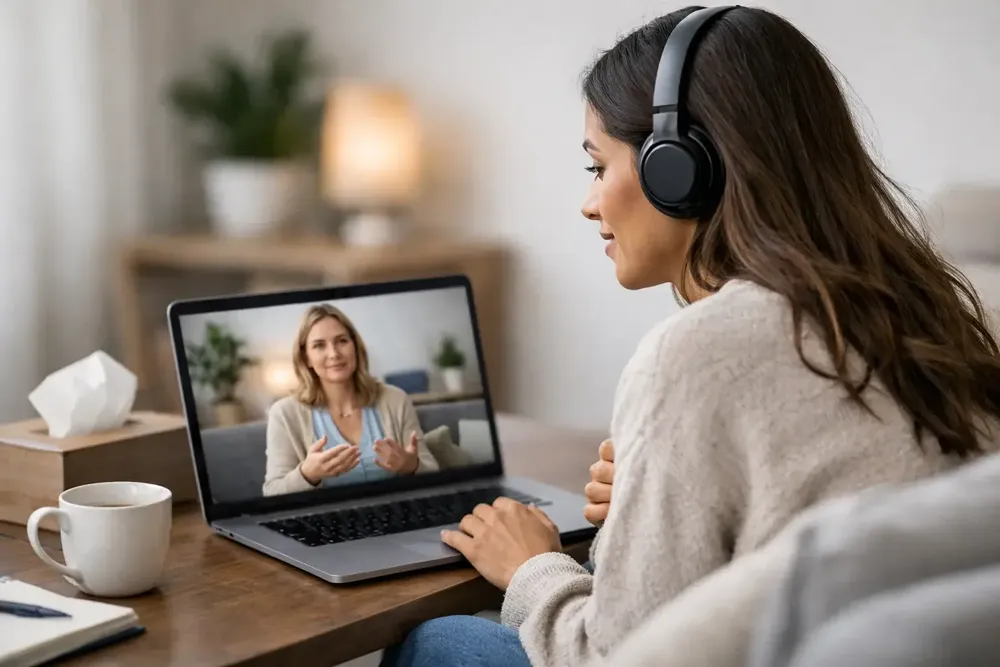
Anxiety rarely waits for a convenient moment. It shows up in the middle of a workday, during school pickup, after a difficult diagnosis, in the quiet hours when everyone else is asleep, or right when life asks the most of you. That is why virtual counselling for anxiety support has become such a meaningful option for people who need real help without adding one more barrier to an already heavy season.
For many adults, reaching for support is not the hard part. The hard part is finding the time, energy, childcare, transportation, privacy, or emotional bandwidth to sit in traffic, arrive at an office, and talk through what feels overwhelming. Virtual care can remove some of that friction. It makes space for healing to begin where you are, not where life expects you to be.
Why virtual counselling for anxiety support works for real life
When anxiety is high, even simple tasks can feel enormous. Answering emails, making dinner, getting to appointments, or leaving the house can take more effort than people around you realize. Virtual counselling meets that reality with compassion and structure.
The value is not just convenience. It is access. When support is available from home, the threshold for getting help often becomes lower. That matters for people moving through cancer treatment, caregiving stress, divorce, parenting strain, burnout, grief, or major identity shifts. It also matters for high-functioning adults who look calm on the outside while carrying racing thoughts, irritability, sleep problems, tension, and constant mental overdrive underneath.
A virtual setting can also feel safer for some clients. Sitting in your own space, wrapped in familiar surroundings, may help you speak more honestly and settle into the work more quickly. For others, the screen creates enough emotional distance to talk about painful experiences without feeling as exposed as they might in person. Neither response is better. It depends on the person, the season, and the kind of support needed.
What anxiety support can look like online
Good counselling is not a video call filled with vague encouragement. It is a structured, relational process that helps you understand your triggers, notice patterns, regulate your nervous system, and respond differently over time.
In virtual counselling for anxiety support, sessions often focus on the thoughts, behaviors, and physical stress responses that keep anxiety active. You may work on identifying what fuels panic, worry, avoidance, perfectionism, people-pleasing, or constant anticipation of worst-case scenarios. You may also build practical tools for grounding, emotional regulation, boundaries, sleep support, and more realistic self-talk.
For some people, anxiety is tied to a current life event. For others, it has deeper roots in trauma, medical stress, family dynamics, chronic uncertainty, or years of carrying too much for too long. A skilled counselor helps you sort out that difference. Relief matters, but so does understanding. When you know what your anxiety is trying to protect, signal, or control, healing becomes more intentional.
The benefits people often notice first
Early progress is not always dramatic, but it is often meaningful. You might notice that your body settles faster after stress. You may start catching spiraling thoughts sooner. You may sleep a little better, communicate more clearly, or stop apologizing for every need you have.
Sometimes the biggest shift is internal. Instead of asking, Why am I like this, you begin asking, What is happening in me right now, and what do I need? That change is powerful. It moves you from shame to awareness, and awareness creates room for choice.
What virtual care cannot do
Virtual counselling is helpful, but it is not the right fit for every situation. If someone is in immediate crisis, at risk of harming themselves or others, or experiencing symptoms that need urgent in-person intervention, online care alone is not enough. There are also practical limits. Internet issues happen. Privacy at home is not guaranteed. Some clients simply connect better face to face.
That does not make virtual support less valuable. It just means wise care includes honest assessment. The goal is not to force one format to work for everyone. The goal is to find support that truly meets your needs.
How to know if you are ready for virtual anxiety counselling
You do not need to hit a breaking point before you seek help. In fact, earlier support often leads to steadier progress. If anxiety is affecting your sleep, mood, relationships, concentration, work performance, or physical well-being, that is enough reason to begin.
You may also be ready if your coping tools are no longer working. Maybe you stay busy to avoid feeling. Maybe you overthink every decision, replay conversations, or carry tension so constantly that calm feels unfamiliar. Maybe your body is giving you signs your mind has tried to outrun. Readiness does not mean certainty. It often means you are tired of surviving alone.
What to look for in a provider
Credentials matter, but connection matters too. Anxiety work asks for both professional skill and emotional steadiness. You want someone who can offer evidence-based support while also understanding the human weight behind your symptoms.
Look for a counselor who is clear about their approach, scope, and service area. Ask how they work with anxiety, stress, trauma, and life transitions. Notice whether they create a sense of safety while still helping you stay accountable to your growth. Gentle support is valuable, but lasting change also requires honesty, practice, and consistency.
It can also help to choose a provider who understands adversity beyond theory alone. When care is shaped by both clinical training and lived resilience, clients often feel seen in a different way. They are not treated like a problem to fix. They are met as whole people learning how to rise again.
Making the most of virtual counselling for anxiety support
A strong session begins before the call starts. Give yourself a few quiet minutes if you can. Silence notifications. Keep water, a notebook, or a grounding object nearby. Choose a space where you can speak freely, even if that means sitting in your car for privacy.
Then let the session be real. You do not have to perform insight or arrive with the perfect explanation. Some days you will be clear and reflective. Other days you may feel scattered, numb, frustrated, or exhausted. That is still usable material. Counselling is not about getting it right. It is about telling the truth and staying in the work long enough to build new patterns.
Between sessions, the small practices matter. Anxiety often changes through repetition, not revelation. The breathing exercise you use in a tense moment, the boundary you finally set, the thought you challenge before it grows, the pause you take instead of spiraling - these are the places where healing starts to become lived experience.
A hopeful path forward
There is something deeply courageous about choosing support while life is still messy. Not after everything is solved. Not when you finally feel strong enough. Right in the middle of the uncertainty. That is often where real healing begins.
Virtual counselling for anxiety support offers more than access to a professional conversation. At its best, it gives you a structured place to exhale, make sense of what you are carrying, and practice a steadier way forward. If you are in British Columbia or Ontario and looking for compassionate, grounded care, Rise Today offers virtual counselling designed to help people move from overwhelm toward hope, strength, and lasting resilience.
You do not have to wait until anxiety takes up every corner of your life. You can choose support now, and let that choice be one of the ways you begin to rise.