What Cancer Survivorship Coaching Can Do
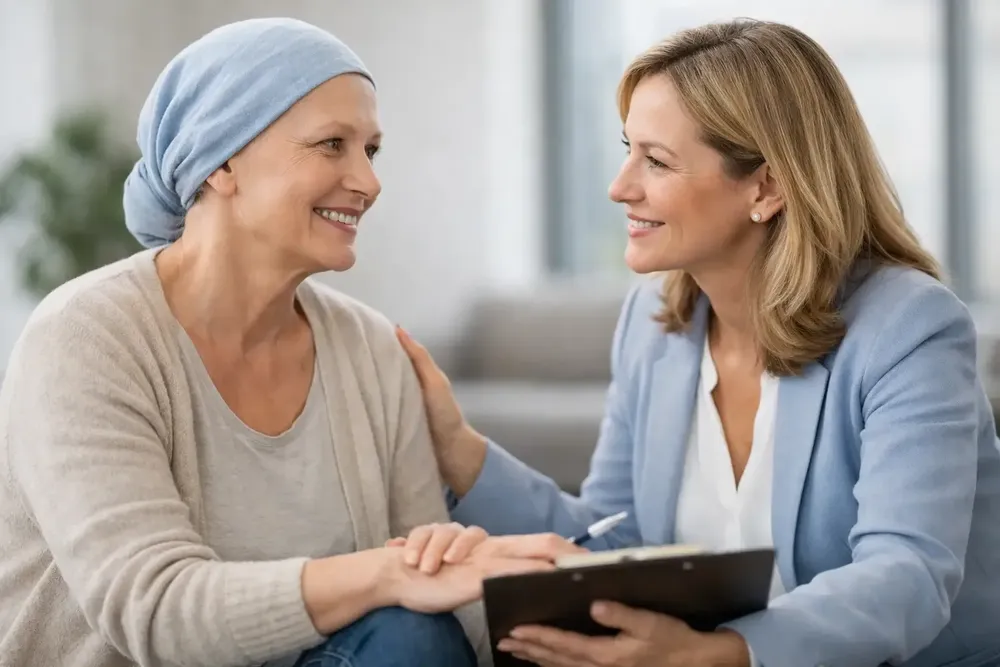
The hardest part for many survivors is not always the diagnosis or even the treatment. Sometimes it is the moment everyone expects you to be grateful, back to normal, and moving on - while your body feels unfamiliar, your mind is tired, and your life no longer fits the shape it had before. That is where cancer survivorship coaching can make a real difference.
Survival changes you. It can deepen your courage and sharpen your priorities, but it can also leave you carrying fear, fatigue, grief, and questions you did not have before. You may be recovering physically while still feeling emotionally unsteady. You may be celebrating remission while quietly wondering why you do not feel like yourself. These experiences are common, and they deserve more than vague encouragement.
What is cancer survivorship coaching?
Cancer survivorship coaching is a structured, forward-focused form of support for people living in and beyond cancer recovery. It helps survivors process change, set realistic goals, rebuild confidence, and create daily habits that support healing. Unlike medical care, coaching is not designed to diagnose or treat disease. Unlike therapy, it is not primarily focused on mental health treatment or trauma processing, though emotions are certainly part of the conversation.
Coaching lives in the space between surviving and fully living again. It asks practical questions. How do you manage the fear that comes before follow-up scans? How do you rebuild trust in your body after months or years of uncertainty? How do you return to work, parent with energy, care for relationships, and make decisions when your old capacity has shifted?
The value of this work is that it meets survivors where they are now, not where others think they should be.
Why survivorship needs its own kind of support
Finishing treatment is often treated like a finish line. In reality, it is often the start of a new and complicated chapter. Medical appointments may become less frequent, yet anxiety can increase. Friends and family may assume the crisis is over, while you are still adjusting to side effects, body changes, and the emotional impact of everything you have endured.
There is also the identity shift. Before cancer, you may have moved through life with a certain sense of certainty. After cancer, many people live with a new awareness of fragility, purpose, and time. That awareness can be clarifying, but it can also be disorienting. Some survivors feel pressured to become instantly inspirational. Others simply feel tired and want permission to heal without performing strength for everyone else.
Cancer survivorship coaching recognizes that recovery is not just physical. It includes mindset, routines, relationships, work, meaning, and the slow rebuilding of trust in life. That wider lens matters because survivorship is not one problem to solve. It is a season of adjustment that touches nearly every part of a person.
What cancer survivorship coaching can help with
A good coach helps survivors move from overwhelm to intention. That does not mean forcing positivity or pretending the hard parts are gone. It means creating space for honesty and then building from there.
For some people, the coaching focus is energy management. Recovery can come with fatigue that changes how you work, exercise, and show up at home. A coach can help you set a pace that supports healing rather than burnout. For others, the biggest need is emotional steadiness. Scan anxiety, fear of recurrence, survivor's guilt, and frustration with a changed body can all shape daily life. Coaching can help you notice patterns, build coping practices, and respond with more self-compassion and clarity.
This work can also support goal setting after treatment. That may sound simple, but many survivors discover that old goals no longer fit. Your values may have shifted. Your definition of success may be changing. Coaching can help you make decisions that honor who you are now, not just who you were before cancer.
Relationships are another common area. Illness can strain marriages, friendships, parenting, and family roles. Survivors may feel misunderstood, overly monitored, or alone in ways they did not expect. Coaching can help you communicate needs more clearly, create healthier boundaries, and rebuild connection without abandoning yourself.
What coaching is not
This distinction matters. Cancer survivorship coaching is not a replacement for oncology care, primary care, physical rehabilitation, or licensed mental health treatment. If you are dealing with depression, trauma symptoms, severe anxiety, or medical complications, you may need clinical support alongside coaching.
That is not a weakness in coaching. It is actually one of its strengths when practiced well. Ethical coaching stays in its lane. It can complement medical and therapeutic care by helping you turn insight into action. It can help you stay accountable to the habits, boundaries, and goals that support your healing. But it should never make promises about curing symptoms, preventing recurrence, or overriding your medical team.
The best support is often layered. It depends on your needs, your history, and the season of recovery you are in.
How a strong survivorship coach works
Not all coaching is created equal, especially in a space as tender as cancer recovery. Credentials matter, but so does lived understanding, emotional maturity, and a clear framework. Survivors deserve support that is compassionate without becoming vague and hopeful without becoming unrealistic.
A strong coach listens for what is happening beneath the surface. They do not rush you toward a polished version of resilience. They help you name what feels heavy, identify what is within your control, and take meaningful steps forward. They also understand that healing is rarely linear. There are strong weeks and shaky weeks. There are milestones that bring joy and anniversaries that bring grief.
Good coaching tends to include reflection, practical tools, and accountability. You might work on routines that support sleep, movement, stress management, and emotional regulation. You might identify beliefs that are keeping you stuck, such as feeling guilty for resting or believing you have to earn your recovery by pushing harder. You might create a plan for returning to work, speaking up in relationships, or reconnecting with purpose.
At its best, this process helps people rise again with honesty. Not as the exact person they were before, but as someone who has learned how to carry both scars and strength.
Who benefits most from cancer survivorship coaching?
There is no single profile. Some survivors seek coaching right after treatment ends. Others come years later when they realize they are still living in survival mode. Some want support with health habits and structure. Others need help rebuilding confidence after profound disruption.
This kind of coaching can be especially helpful if you feel stuck between gratitude and grief, if your body or identity feels unfamiliar, or if you are functioning on the outside while quietly struggling on the inside. It can also help caregivers and family members understand that survivorship is not a quick emotional reset. Healing takes time, and support can make that time more intentional and less lonely.
For many women, survivorship intersects with other life demands at the same time - parenting, career shifts, caregiving, financial pressure, or relationship strain. In those seasons, coaching can become a steady place to regroup, tell the truth, and move forward with courage.
Choosing support that feels credible and human
When looking for a coach, pay attention to more than polished language. Ask how they approach survivorship, what training informs their work, and how they handle issues that fall outside coaching. Notice whether their message leaves room for complexity. If everything sounds relentlessly upbeat, that may not serve you well on the hard days.
Look for someone who understands both resilience and reality. Survivors do not need pressure to perform wellness. They need support that is grounded, skillful, and full of hope they can actually use. At Rise Today, that kind of support is shaped by both professional expertise and lived experience, which matters when the road back to yourself feels uncertain.
There is no perfect way to recover after cancer. There is only the honest work of learning your body again, honoring your story, and choosing what comes next with care. If you are still finding your footing, that does not mean you are behind. It means you are human, healing, and still becoming.